NVIDIA
Company Background
NVIDIA is the leading supplier of graphics chips into the PC, data-center, embedded and automotive markets. It sells many of these chips as board-level products, including PC add- in cards and turnkey data-center systems. Founder Jensen Huang has served as CEO since NVIDIA’s inception in 1993. Based in Silicon Valley, the company has more than 18,000 employees globally.
NVIDIA is the leading supplier of AI accelerators for both training and inference as well. These products reuse the company’s popular PC-graphics (GPU) architectures but add AI-specific features. They can also accelerate general computation (GPU compute), often for supercomputing and other scientific applications. They appear in 26% of the Top500 supercomputers on the November 2021 list, including 7 of the 10 fastest.
To simplify development of GPU-compute software, NVIDIA created the Cuda tools. Given its early entry and popularity in this market, Cuda quickly garnered wide acceptance. Today, the large base of Cuda-compatible applications poses a barrier to other GPU-compute solutions.
Each vendor profile provides a detailed overview of the company and its products, featuring expert analysis and insights on product strengths, potential competitors, customer names, and major design achievements. Additionally, the profiles explore the various business models and monetization strategies used by different vendors in the industry.
Recently Published AI



The era of AI is here. TechInsights provides you with unique end to end insights, from the chips to the devices to its usage.
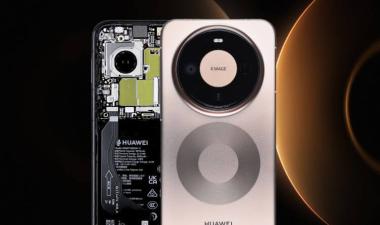
Huawei Mate 80 Pro Max Teardown Confirms Kirin 9030 Pro on SMIC N+3
TechInsights’ teardown of the Huawei Mate 80 Pro Max confirms the Kirin 9030 Pro on SMIC’s N+3 process and reveals major upgrades in display, cameras, and connectivity.
2026 Advanced Packaging Outlook Report
Discover the five expectations defining advanced packaging in 2026, including CPO adoption, HBM4 demand, panel and glass scaling, 3D thermal challenges, and chiplets for mobile.
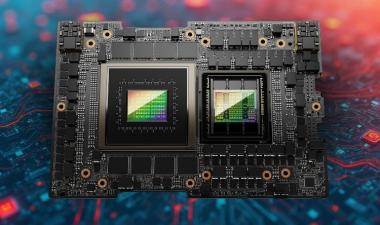
Trump Approves H200 Exports: Impact on NVIDIA, TSMC & HBM
Trump’s approval of H200 exports to China could reshape GPU, packaging, and HBM markets. TechInsights analyzes supply constraints, pricing, and $40–50B demand.

The Authoritative Information Platform to the Semiconductor Industry.